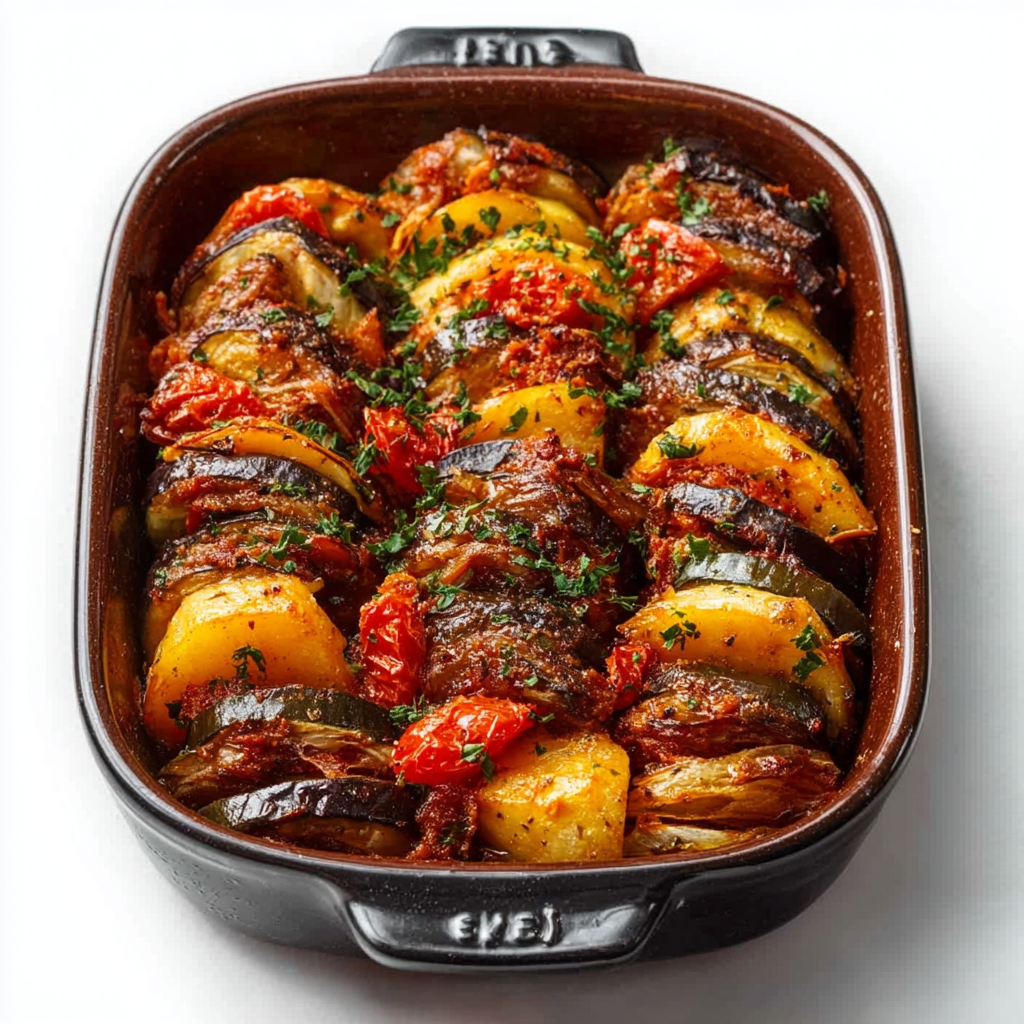
Mastering Briam: Tips for Perfectly Tender Greek Vegetables
Imagine a dish where sun-ripened vegetables surrender their individual textures, melding into a comforting, flavourful symphony that whispers tales of the Mediterranean sun. That, my friends, is
briam – a cherished Greek roasted vegetable bake that holds a special place in the hearts and kitchens of Greece. More than just a side dish, briam is a wholesome, often plant-based meal in itself, celebrated for its vibrant colours, rustic charm, and undeniable deliciousness. While its ingredient list might seem simple, the true artistry of briam lies in achieving that elusive balance: vegetables that are not just cooked, but perfectly tender, soft enough to melt in your mouth, yet retaining their distinctive essence.
This comprehensive guide will delve into the secrets behind creating an impeccable briam, focusing on techniques and insights that guarantee every bite is a testament to perfectly tender, flavour-infused Greek goodness. From careful preparation to mindful baking, we'll ensure your briam transforms from a collection of raw ingredients into a harmonious, succulent masterpiece.
Unveiling Briam: The Heart of Greek Roasted Vegetables
At its core, briam is a hearty casserole typically featuring a medley of potatoes, courgettes (zucchini), aubergine (eggplant), red onion, and ripe tomatoes, often resting on a bed of rich tomato sauce. Traditionally, it's generously drizzled with olive oil, embracing the very essence of Mediterranean cooking. Each vegetable brings its unique texture and flavour, which, through slow roasting, transforms into a comforting, cohesive dish.
What makes briam so appealing? It’s not just its vibrant appearance, but its incredible versatility. It can effortlessly serve as a fulfilling main course, perhaps accompanied by a crisp side salad and some warm, crusty bread to sop up the delicious juices. Alternatively, it makes a robust and flavourful accompaniment to grilled meats or fish, elevating any dinner plate. For those seeking lighter options, a portion of briam on its own or with a scattering of crumbled feta makes for a delightful and healthy lunch. It's a dish that embodies the healthy, flavourful principles of the Mediterranean diet, offering a wholesome meal packed with nutrients. If you're looking for a foundational recipe to start, check out our
Easy Greek Briam Recipe: Delicious Roasted Vegetable Bake.
The Secret to Succulent Slices: Mastering Vegetable Preparation
The journey to perfectly tender briam begins long before it ever enters the oven, right at your chopping board. The most critical step in achieving even tenderness across all your vegetables is *uniform slicing*.
*
Consistency is Key: Imagine potatoes that are still firm while your courgettes have turned to mush – this is the consequence of uneven slicing. Aim to slice your potatoes, aubergines, courgettes, red onions, and tomatoes to roughly the same thickness, ideally around 0.5 cm (1/4 inch). This ensures they all cook at a similar rate, softening uniformly without some collapsing prematurely or others remaining stubbornly firm. A mandoline slicer is an excellent tool for achieving this precision quickly, but a sharp chef's knife and a steady hand will yield equally fantastic results.
*
The Aubergine Advantage: Aubergine often gets a bad rap for being bitter or watery. To combat this, a crucial step is salting.
1. Slice your aubergine as uniformly as the other vegetables.
2. Lay the slices on a chopping board or a tray lined with paper towels.
3. Sprinkle them generously with sea salt flakes.
4. Let them rest for about 20 minutes. During this time, the salt will draw out excess moisture and any potential bitterness.
5. Once rested, pat the aubergine slices thoroughly dry with kitchen paper. This step prevents your briam from becoming watery and ensures the aubergine absorbs flavours more effectively. If your aubergine slices are significantly larger than your other vegetables, consider halving them for better integration.
*
Flavour Infusion: Once sliced and prepared, toss all your vegetables in a large bowl with a generous amount of good quality olive oil, crushed garlic cloves, dried oregano, a pinch of chilli flakes (if desired), salt, and freshly ground pepper. Ensure every piece is gently but thoroughly coated. This step not only seasons the vegetables but also helps them cook evenly and develop that beautiful roasted flavour.
*
Building the Layers: While you can technically "throw it all into a roasting dish," arranging the vegetables in alternating rows – potatoes, aubergine, courgettes, red onion, tomatoes – creates a visually stunning dish. More importantly, it also allows for better heat distribution and even cooking. Begin by spreading a generous layer of tomato sauce across the bottom of a wide, shallow oven-safe dish (approximately 30 x 20 cm). A wide, shallow dish is preferable as it allows for maximum contact with the heat and promotes even cooking and caramelisation.
Baking Brilliance: Achieving the Perfect Tenderness in Briam
With your vegetables prepped and arranged, it's time for the oven to work its magic. The baking process is where the true transformation occurs, turning crisp slices into tender, flavourful bites.
*
Preheat for Success: Always start with a preheated oven. Set your conventional oven to 200 °C (400 °F). A hot oven ensures that the vegetables begin cooking immediately, preventing them from steaming and becoming soggy.
*
The Role of the Base: The initial layer of tomato sauce at the bottom of your dish is more than just flavour; it creates a moist environment that helps the vegetables slowly soften and prevents them from drying out as they cook. As the briam bakes, the vegetables will gradually release their own liquids, settling into and enriching this flavourful base.
*
Baking Time and Observation: Bake your briam for approximately 50-55 minutes. However, baking times can vary slightly depending on your oven and the exact thickness of your vegetable slices. The ultimate indicator of doneness is the potatoes. They should be fork-tender, easily pierced without resistance.
*
The Foil Factor: If you notice the top layer of your briam starting to brown too quickly – or even char – before the potatoes are tender, don't panic! Simply cover the dish loosely with aluminium foil. This acts as a protective shield, allowing the vegetables to continue cooking through without excessive browning. The foil also helps to trap steam, promoting a more even and tender cook, particularly for the top layer of vegetables. This method is particularly useful when aiming for a healthy briam that is light yet flavorful, as it helps retain moisture and nutrients. For more insights into cooking healthy versions, see our guide on
Healthy Briam: Light & Flavorful Mediterranean Roasted Vegetables.
*
Check and Adjust: Towards the end of the suggested baking time, check the potatoes with a fork. If they're still firm, return the dish to the oven for another 5-10 minutes, checking again until they reach the desired tenderness. Remember, the goal is vegetables that yield effortlessly to a fork, yet retain their shape and a hint of texture.
Beyond the Bake: Enhancing Flavours and Serving Your Briam
Once your briam emerges from the oven, bubbling and fragrant, there are a few more steps that elevate it from merely delicious to truly exceptional.
*
The Art of Resting: This is a simple but often overlooked step that makes a significant difference. Once out of the oven, let your briam rest for 10-15 minutes before serving. This short pause allows the vegetables to settle, the tomato sauce to thicken slightly, and the myriad of flavours to meld and round out. The result is a more cohesive, balanced, and easier-to-serve dish.
*
Optional Indulgences: For an extra layer of flavour and texture, consider adding cheese. During the last few minutes of baking, you can sprinkle some grated mature cheddar or crumbled Feta cheese over the top. The cheese will melt beautifully, creating a golden, savoury crust. Alternatively, for a fresher finish, crumble some white cheese (like Apetina or Feta) on top *after* the briam has rested, just before serving. The salty tang of the cheese provides a wonderful contrast to the sweet, earthy vegetables.
*
Garnish and Serve: A sprinkle of freshly chopped parsley over the warm briam adds a burst of freshness and vibrant colour. Serve your briam warm with some crusty bread and a bowl of olives for a truly authentic Greek dining experience. It's equally delightful served with grilled lamb chops, chicken, or a simple piece of pan-seared fish.
Troubleshooting & Pro Tips for Your Best Briam Yet
Even with the best intentions, cooking can sometimes throw curveballs. Here are some common issues and professional tips to ensure your briam is always a success:
*
Problem: Unevenly Cooked Vegetables.
*
Solution: Re-emphasise uniform slicing. This is the number one culprit. Take your time with the knife or invest in a mandoline.
*
Problem: Briam is Too Dry.
*
Solution: Ensure you've used enough olive oil and that your tomato sauce base is generous. Covering with foil during baking, especially if your oven runs hot, can also prevent excessive moisture loss.
*
Problem: Flavour Falls Flat.
*
Solution: Don't be shy with seasoning. Taste the raw vegetables after tossing (minus aubergine) and adjust salt and pepper. Fresh garlic and good quality dried oregano are crucial. A pinch of sugar in the tomato sauce can also balance acidity if your tomatoes aren't very sweet.
*
Pro Tip 1: Ingredient Quality. Use ripe, flavourful tomatoes. Fresh, firm vegetables will always yield a better result.
*
Pro Tip 2: Don't Rush the Aubergine. The salting step is non-negotiable for best results.
*
Pro Tip 3: The Right Dish. A wide, shallow oven dish isn't just for aesthetics; it promotes better heat circulation and more even cooking than a deep, narrow one.
*
Pro Tip 4: Customisation. While the classic ingredients are fantastic, feel free to experiment. Bell peppers, sliced zucchini, or even a few sprigs of fresh rosemary or thyme can add delightful variations to your briam.
Conclusion
Mastering briam is truly about understanding the delicate interplay of fresh ingredients, precise preparation, and patient baking. By focusing on uniform slicing, properly preparing your aubergine, and observing your dish as it bakes, you unlock the secret to those coveted, perfectly tender Greek roasted vegetables. The reward is a dish that is not only incredibly flavourful and nourishing but also a comforting reminder of sun-drenched Mediterranean meals. Embrace these tips, and you'll be serving up bowls of succulent, melt-in-your-mouth briam that will delight your senses and transport you straight to the heart of Greece, one tender bite at a time.