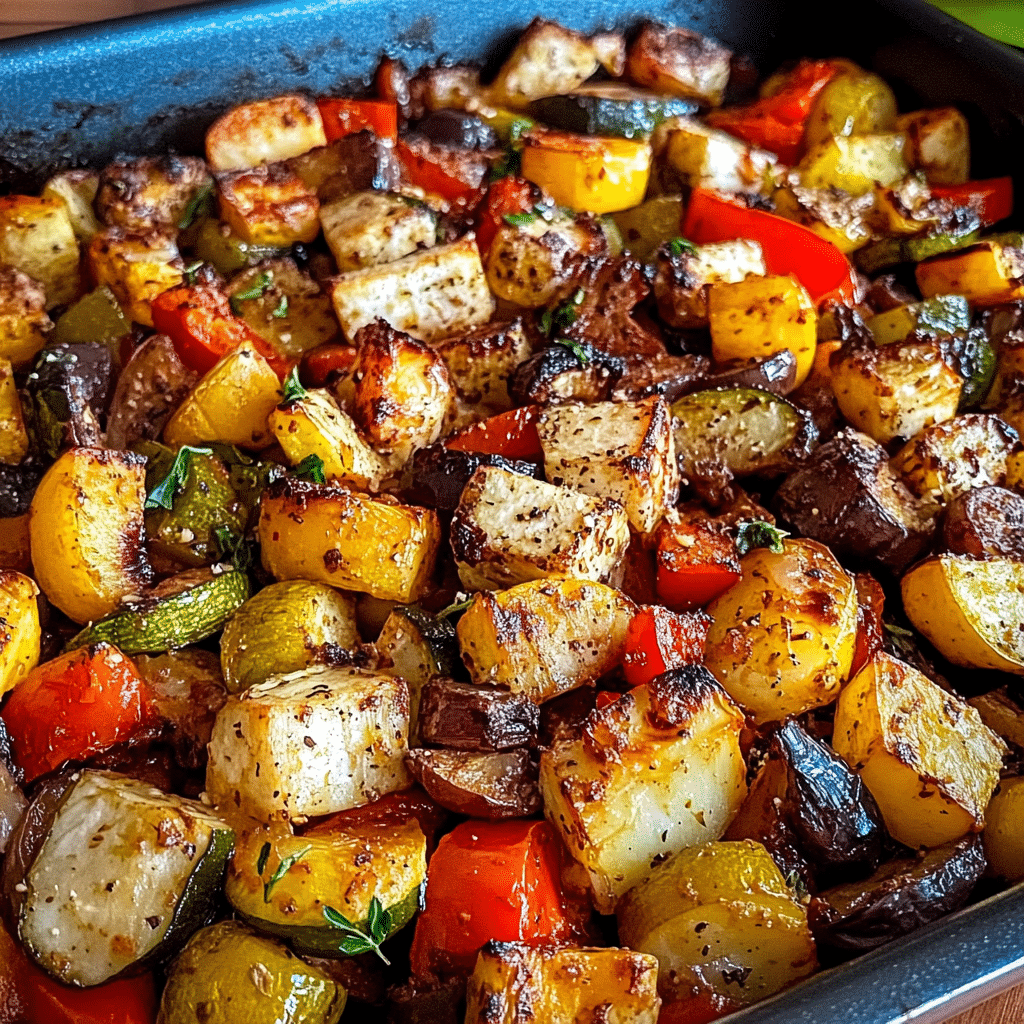
Healthy Briam: Light & Flavorful Mediterranean Roasted Vegetables
Transport your taste buds straight to the sun-drenched shores of Greece with
Briam, a deceptively simple yet profoundly flavorful roasted vegetable dish. At its heart, Briam is a celebration of fresh, seasonal produce, artfully combined and slow-roasted until tender and imbued with aromatic herbs. While traditionally a generous hand with olive oil is part of its charm, our focus is on crafting a *healthy Briam* that maintains all the wonderful Mediterranean essence without the excess calories, proving that wholesome eating can be utterly delicious and satisfying.
Imagine vibrant layers of tender potatoes, silky aubergine, sweet courgettes, pungent red onion, and ripe tomatoes, all mingling in a rich tomato base, kissed by garlic and fragrant oregano. This isn't just a side dish; it's a culinary journey, versatile enough to be the star of a light lunch or a hearty accompaniment to any main meal.
What is Briam? A Taste of Greek Sunshine
Briam is a quintessential Greek staple, a vegetarian bake that embodies the very spirit of Mediterranean cuisine. Originating as a humble, hearty dish, it traditionally made the most of abundant summer vegetables. The beauty of Briam lies in its straightforward preparation and the magic that happens when fresh ingredients slowly roast together, releasing their natural sugars and juices to create a deeply savory and comforting meal.
At its core, classic Briam features a medley of key vegetables:
*
Potatoes: Providing a satisfying base and hearty texture.
*
Courgettes (Zucchini): Adding a lovely soft texture and absorbing surrounding flavors.
*
Aubergine (Eggplant): Contributing a rich, meaty texture (often pre-salted to enhance this).
*
Red Onion: Sweetening significantly as it roasts, adding depth.
*
Tomatoes: The star, offering acidity, sweetness, and forming a delicious sauce.
These are typically seasoned with generous amounts of olive oil, fresh garlic, dried oregano, and sometimes a hint of chili flakes, all harmonizing to create that distinctively fresh yet robust Greek flavor profile. While often presented beautifully in neat, alternating layers, the essence of Briam remains whether meticulously arranged or simply tossed together for a quicker prep. It's a dish that warms the soul and nourishes the body, a true testament to the power of plant-based cooking.
Crafting Your Healthy Briam: Ingredients & Preparation
Creating a truly *healthy Briam* means mindful choices without compromising on flavor. The secret lies in smart preparation and ingredient selection.
The Core Ingredients for a Lighter Briam:
*
Potatoes: About 3 large ones, thinly sliced.
*
Aubergine: 1 medium, thinly sliced. Essential to pre-salt these to draw out moisture and bitterness, resulting in a silkier texture. Simply sprinkle with sea salt flakes, let sit for 20 minutes, then pat dry with kitchen paper.
*
Courgettes: 1-2 medium, thinly sliced.
*
Red Onion: 1 large, thinly sliced.
*
Tomatoes: 4-5 large, ripe tomatoes, thinly sliced.
*
Garlic: 4 cloves, finely crushed or minced. Don't skimp on this!
*
Herbs & Spices: 1 tsp dried oregano, ½ tsp chilli flakes (optional for a gentle kick), ½ tsp salt, freshly ground black pepper. A generous handful of fresh parsley, finely chopped, adds brightness.
*
Tomato Sauce: Approximately 700 ml of good quality passata or crushed tomatoes forms the flavorful bed for the vegetables.
*
Olive Oil: While traditional recipes call for lots, we're aiming for *light*. Use about 50 ml (approximately 3-4 tablespoons) – enough to coat the vegetables and promote roasting without excess.
*
Optional Finish: 100g Apetina 50% Less Fat Original White Cheese or crumbled Feta for a fresh, tangy finish. For a completely vegan option, simply omit the cheese.
Step-by-Step Preparation for Optimal Health & Taste:
1.
Preheat Oven: Set your oven to 200°C (conventional).
2.
Vegetable Prep: Slice all vegetables uniformly – potatoes, aubergine, courgettes, red onion, and tomatoes.
Consistency is key here; aim for roughly the same thickness so everything cooks evenly. A mandoline can help achieve this, but a sharp knife and steady hand work just as well. Remember to salt and pat dry your aubergine slices as mentioned above.
3.
Flavor Infusion: In a large bowl, combine the prepared vegetables with the olive oil, crushed garlic, dried oregano, chilli flakes, salt, pepper, and finely chopped parsley. Gently toss everything until the vegetables are evenly coated. This ensures every bite is packed with Mediterranean flavor, even with reduced oil.
4.
Assemble the Bake: Choose a wide, shallow ovenproof dish (around 30x20 cm) to allow the vegetables to roast rather than steam. Spread the tomato sauce across the bottom of the dish.
5.
Arrange (or Toss!): Now for the classic look: arrange the vegetables in neat, alternating rows atop the tomato sauce – potato, aubergine, courgette, red onion, tomato. Repeat until all vegetables are used. If you're short on time, simply pour the tossed vegetables into the dish and spread them out evenly.
6.
Bake to Perfection: Place the dish in the preheated oven and bake for approximately 50-55 minutes, or until the potatoes are tender and the vegetables are beautifully roasted. If you notice the tops browning too quickly, you can loosely cover the dish with foil.
7.
Add Cheese (Optional): If using, crumble your chosen white cheese over the Briam during the last 5-10 minutes of baking, allowing it to soften and warm through.
Pro Tips for Briam Perfection
Achieving that perfect, tender, and deeply flavorful
Briam isn't just about following a recipe; it's about embracing a few clever techniques. These small details can elevate your dish from good to unforgettable.
*
Uniform Slicing is Non-Negotiable: We touched on this, but it's worth reiterating. The success of Briam hinges on even cooking. If your potato slices are thick while courgettes are paper-thin, you'll end up with hard potatoes and mushy courgettes. Aim for roughly ¼-inch (0.5 cm) slices for all vegetables. This allows them to soften at a similar rate, resulting in a cohesive texture throughout the dish. A sharp knife is your best friend here, or consider a mandoline for effortless consistency. For a deeper dive into preparation techniques, explore our guide on
Mastering Briam: Tips for Perfectly Tender Greek Vegetables.
*
The Magic of Resting: Once your Briam comes out of the oven, resist the urge to dig in immediately. Let it rest for 10-15 minutes. This crucial pause allows the vegetables to settle, the tomato sauce to thicken slightly, and perhaps most importantly, the flavors to meld and deepen, creating a more balanced and harmonious taste profile. It also makes serving neater portions much easier.
*
Don't Overcrowd the Dish: While a vibrant pile of vegetables looks appealing, a packed baking dish can lead to steaming rather than roasting. Choose a wide, shallow dish that allows the vegetables to lie in relatively thin layers. This promotes caramelization and prevents a watery result.
*
Embrace Freshness: The quality of your ingredients directly impacts the final flavor. Use ripe, in-season vegetables for the best possible taste experience. Fresh garlic and good quality dried oregano (or even better, fresh oregano) will make a noticeable difference.
*
Adjust Olive Oil Strategically: For a healthier version, we've reduced the olive oil. To compensate for potential dryness, ensure your tomato sauce base is ample and the vegetables are well-coated with the oil and herbs before baking. The natural moisture from the vegetables, especially the tomatoes, will also contribute to a succulent outcome.
Elevating Your Briam: Serving Suggestions & Creative Twists
Once your fragrant
Briam emerges from the oven, golden and bubbling, the possibilities for enjoying this versatile dish are endless. It's truly a cornerstone of Mediterranean dining.
Serving Your Healthy Briam:
*
As a Main Course: For a light yet satisfying lunch or dinner, serve Briam on its own with a simple side salad and a drizzle of good quality extra virgin olive oil. The robust flavors and varied textures make it incredibly fulfilling. Pair it with warm, crusty bread or pita for dipping into the delicious sauce – a truly authentic Greek experience. Don't forget a bowl of Kalamata olives for an extra burst of Mediterranean zest.
*
As an Accompaniment: Briam makes an exceptional side dish to a variety of proteins. Its vibrant flavors beautifully complement grilled fish (especially sea bass or snapper), roasted chicken, or even lamb chops. It's also a fantastic addition to a mezze platter, alongside hummus, tzatziki, and other Greek delights.
*
Brunch or Breakfast: Leftover Briam can be surprisingly delicious warmed up, perhaps topped with a poached or fried egg for a unique and nutritious breakfast.
Creative Twists to Personalize Your Briam:
*
Cheese Choices: While Feta is a classic Greek addition, don't limit yourself. Crumbled mature cheddar offers a richer, sharper contrast, while a sprinkle of grated Parmesan adds umami. For a lower-fat option, consider Apetina 50% Less Fat Original White Cheese, as suggested in our references.
*
Add More Vegetables: Feel free to experiment with other vegetables. Bell peppers (any color) add sweetness and color, while mushrooms contribute an earthy depth. Just ensure they are sliced to a similar thickness for even cooking.
*
Herb Variations: While oregano is classic, fresh basil or thyme can offer different aromatic profiles. A final sprinkle of fresh mint before serving can add a surprising burst of freshness.
*
Spice it Up: If you enjoy a bit more heat, increase the amount of chilli flakes or add a pinch of smoked paprika for a smoky depth.
*
A Lemon Finish: A squeeze of fresh lemon juice over the Briam just before serving can brighten all the flavors, adding a wonderful tang that cuts through the richness of the roasted vegetables.
For an extensive guide on specific ratios and step-by-step cooking, check out our
Easy Greek Briam Recipe: Delicious Roasted Vegetable Bake. No matter how you choose to serve it or adapt it, Briam promises a delightful and healthy journey to the heart of Greek cuisine.
Conclusion
Briam stands as a shining example of how simple, wholesome ingredients can be transformed into something truly extraordinary. This light and flavorful Mediterranean roasted vegetable dish offers a fantastic way to embrace plant-based eating, packed with nutrients and vibrant tastes. By focusing on smart preparation and mindful additions, we’ve proven that you can enjoy all the comforting richness of traditional Greek cuisine while keeping health at the forefront. Whether you meticulously layer your vegetables for a show-stopping presentation or simply toss them for a quick weeknight meal, Briam is an accessible, versatile, and utterly delicious dish that deserves a permanent spot in your culinary repertoire. So, go ahead, gather your fresh vegetables, and prepare to be enchanted by the taste of Greek sunshine in every bite!